The tactical system in FIFA Manager 14 has a profound impact on gameplay. No two matches are ever the same, as the outcome is heavily influenced by the tactical decisions made before the game. A well-crafted tactic can lead to a dominating performance, with the team executing its game plan to perfection. Conversely, a poorly conceived tactic can result in a disjointed display, with players seemingly at odds with each other.
Player roles are where FIFA Manager 14 truly shines. The game allows for an unprecedented level of customization, enabling players to assign specific roles and duties to each player. From the creative playmaker to the industrious box-to-box midfielder, and from the clinical finisher to the hold-up striker, the roles in FIFA Manager 14 are diverse and detailed. This level of specificity ensures that players can craft a team that not only fits their preferred style of play but also maximizes the abilities of individual players.
Moreover, individual player mentalities can be adjusted, allowing for a more nuanced approach to player management. A player's mentality dictates their attitude on the pitch, influencing their decision-making and positioning. For example, a player with an attacking mentality is more likely to make runs behind the defense and take shots, while a player with a defensive mentality will prioritize their defensive duties.
Whether you're a seasoned tactician or a newcomer to the world of football management, FIFA Manager 14's tactical system has something to offer. It's a game that challenges players to think strategically, to adapt and evolve, and to ultimately outmaneuver their opponents. As such, FIFA Manager 14 stands as a testament to the art of tactics, offering an exclusive and immersive look into the world of football management.
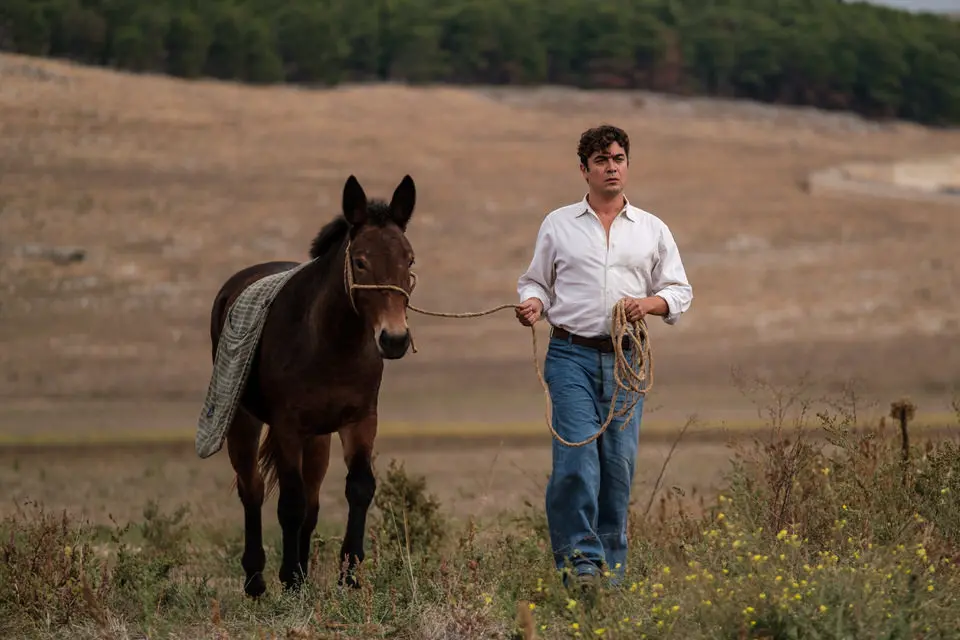
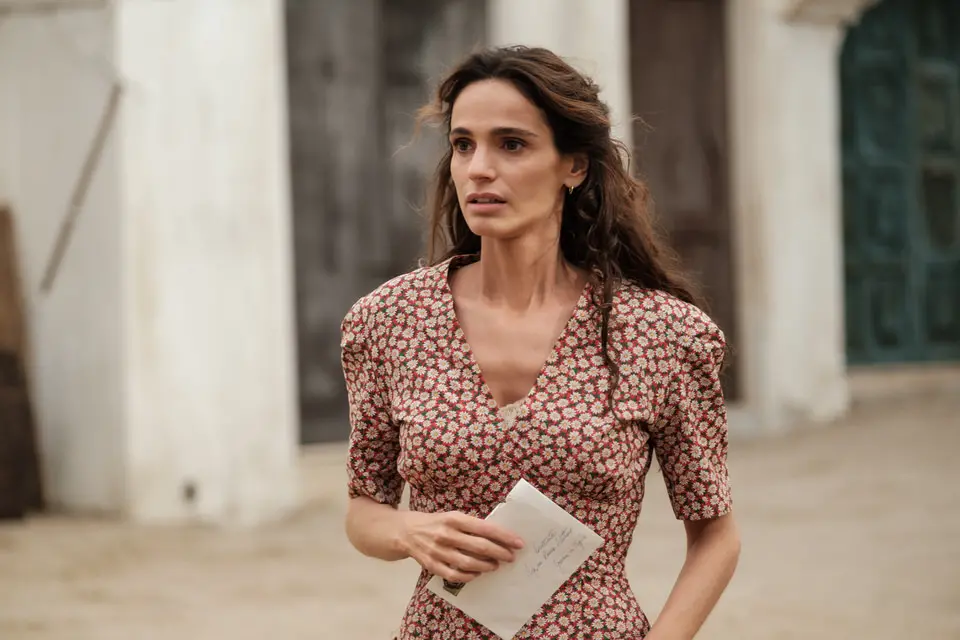
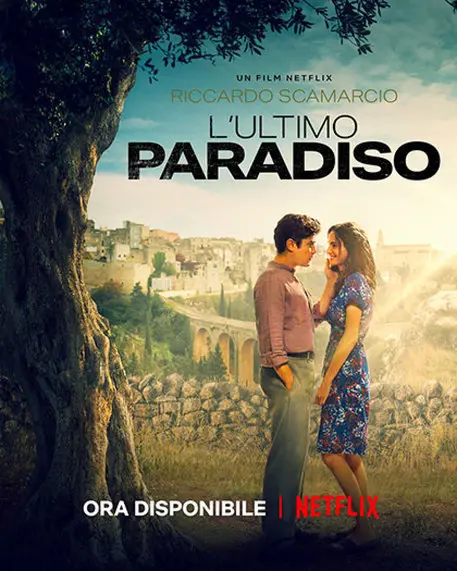
The director Rocco Ricciardulli, from Bernalda, shot his second film, L’ultimo Paradiso between October and December 2019, several dozen kilometres from his childhood home in the Murgia countryside on the border of the Apulia and Basilicata regions. The beautiful, albeit dry and arid landscape frames a story inspired by real-life events relating to the gangmaster scourge of Italy’s martyred lands. It is set in the late 1950’s, an era when certain ancestral practices of aristocratic landowners, archaic professions and a rigid division of work, owners and farmhands, oppressors and oppressed still exist and the economic boom is still far away, in time and space.
The borgo of Gravina in Puglia, where time seems to stand still, is perched at a height of 400m on a limestone deposit part of the fossa bradanica in the heart of the Parco nazionale dell’Alta Murgia. The film immortalizes the town’s alleyways, ancient residences and evocative aqueduct bridging the Gravina river. The surrounding wild nature, including olive trees, Mediterranean maquis and hectares of farm land, provides the typical colours and light of these latitudes. Just outside the residential centre, on the slopes of the Botromagno hill, which gives its name to the largest archaeological area in Apulia, is the Parco naturalistico di Capotenda, whose nature is so pristine and untouched that it provided a perfect natural backdrop for a late 1950s setting.
The alternative to oppression is departure: a choice made by Antonio whom we first meet in Trieste at the foot of the fountain of the Four Continents whose Baroque appearance decorates the majestic piazza Unità d’Italia.
The director Rocco Ricciardulli, from Bernalda, shot his second film, L’ultimo Paradiso between October and December 2019, several dozen kilometres from his childhood home in the Murgia countryside on the border of the Apulia and Basilicata regions. The beautiful, albeit dry and arid landscape frames a story inspired by real-life events relating to the gangmaster scourge of Italy’s martyred lands. It is set in the late 1950’s, an era when certain ancestral practices of aristocratic landowners, archaic professions and a rigid division of work, owners and farmhands, oppressors and oppressed still exist and the economic boom is still far away, in time and space.
The borgo of Gravina in Puglia, where time seems to stand still, is perched at a height of 400m on a limestone deposit part of the fossa bradanica in the heart of the Parco nazionale dell’Alta Murgia. The film immortalizes the town’s alleyways, ancient residences and evocative aqueduct bridging the Gravina river. The surrounding wild nature, including olive trees, Mediterranean maquis and hectares of farm land, provides the typical colours and light of these latitudes. Just outside the residential centre, on the slopes of the Botromagno hill, which gives its name to the largest archaeological area in Apulia, is the Parco naturalistico di Capotenda, whose nature is so pristine and untouched that it provided a perfect natural backdrop for a late 1950s setting.
The alternative to oppression is departure: a choice made by Antonio whom we first meet in Trieste at the foot of the fountain of the Four Continents whose Baroque appearance decorates the majestic piazza Unità d’Italia.
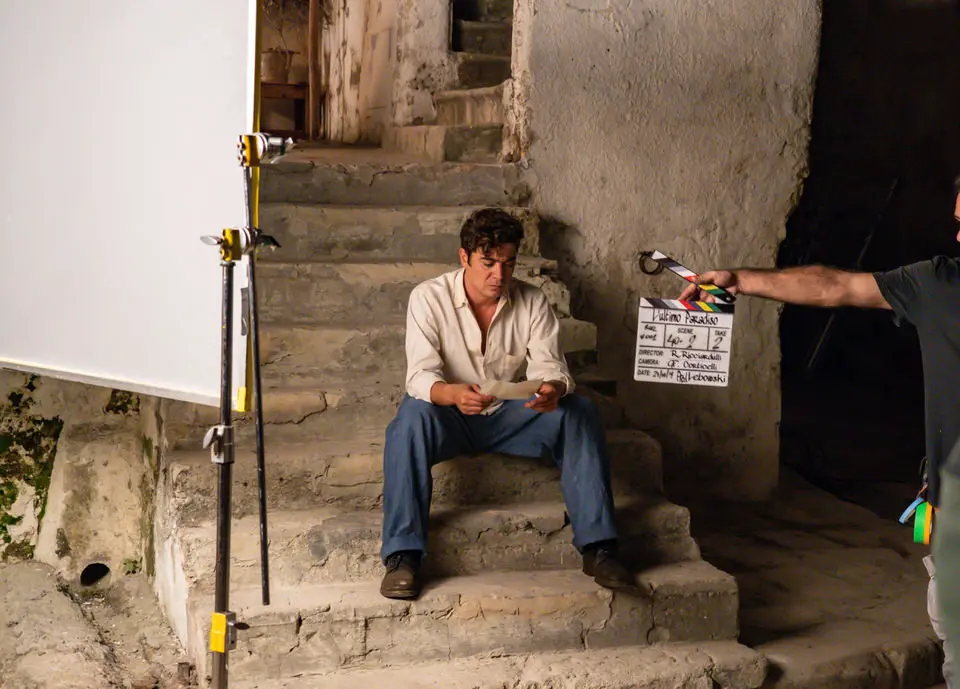
Lebowski, Silver Productions
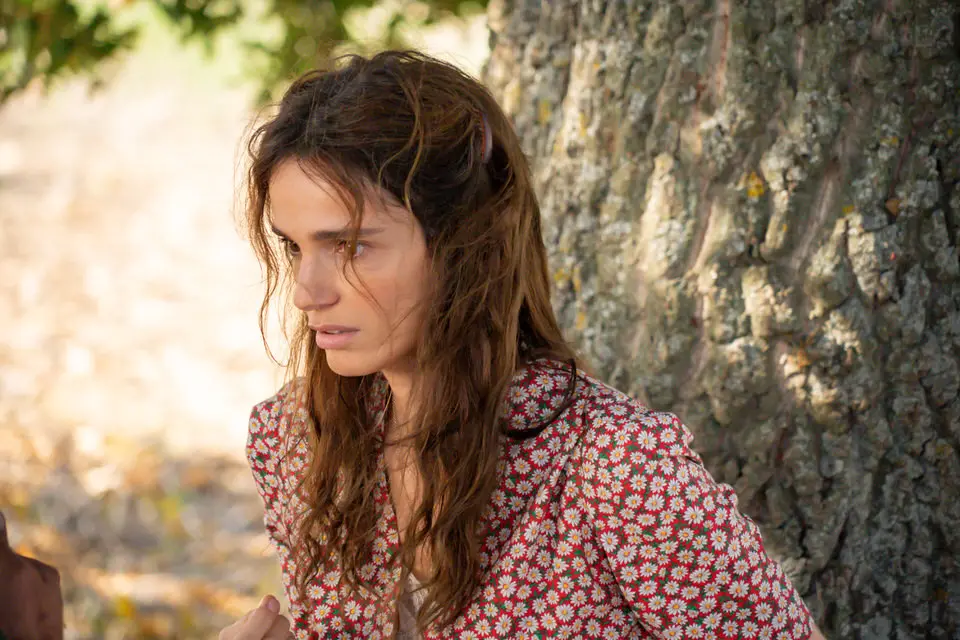
In 1958, Ciccio, a farmer in his forties married to Lucia and the father of a son of 7, is fighting with his fellow workers against those who exploit their work, while secretly in love with Bianca, the daughter of Cumpà Schettino, a feared and untrustworthy landowner.
The tactical system in FIFA Manager 14 has a profound impact on gameplay. No two matches are ever the same, as the outcome is heavily influenced by the tactical decisions made before the game. A well-crafted tactic can lead to a dominating performance, with the team executing its game plan to perfection. Conversely, a poorly conceived tactic can result in a disjointed display, with players seemingly at odds with each other.
Player roles are where FIFA Manager 14 truly shines. The game allows for an unprecedented level of customization, enabling players to assign specific roles and duties to each player. From the creative playmaker to the industrious box-to-box midfielder, and from the clinical finisher to the hold-up striker, the roles in FIFA Manager 14 are diverse and detailed. This level of specificity ensures that players can craft a team that not only fits their preferred style of play but also maximizes the abilities of individual players.
Moreover, individual player mentalities can be adjusted, allowing for a more nuanced approach to player management. A player's mentality dictates their attitude on the pitch, influencing their decision-making and positioning. For example, a player with an attacking mentality is more likely to make runs behind the defense and take shots, while a player with a defensive mentality will prioritize their defensive duties.
Whether you're a seasoned tactician or a newcomer to the world of football management, FIFA Manager 14's tactical system has something to offer. It's a game that challenges players to think strategically, to adapt and evolve, and to ultimately outmaneuver their opponents. As such, FIFA Manager 14 stands as a testament to the art of tactics, offering an exclusive and immersive look into the world of football management.