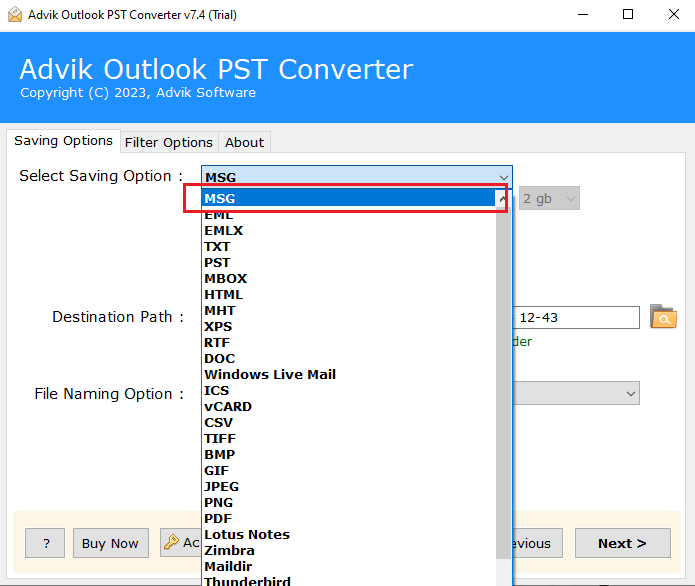
A reliable tool to batch export Outlook PST files to MSG format without Outlook. It preserves email data, attachments and folder structure while handling bulk PST to MSG conversion quickly. Try it for Free!
Hassle-free way to convert PST file to MSG files with attachments
Choosing Advik PST to MSG Converter over any other can offer you more than you can expect. The reason is that it offers more than just PST to MSG file conversion. Such as preserving the original structure of PST emails, metadata, selective conversion, batch export, and many more. This is why many IT professionals prefer to use Advik PST to MSG conversion tool.
When to Use Advik PST to MSG Converter?
Video Tutorial
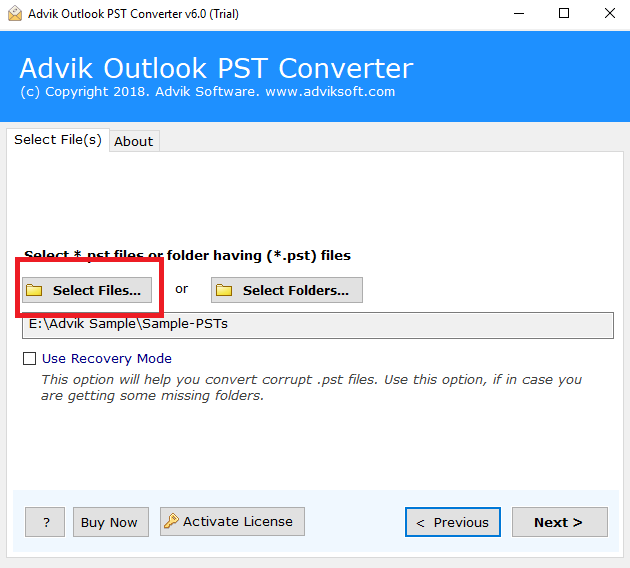
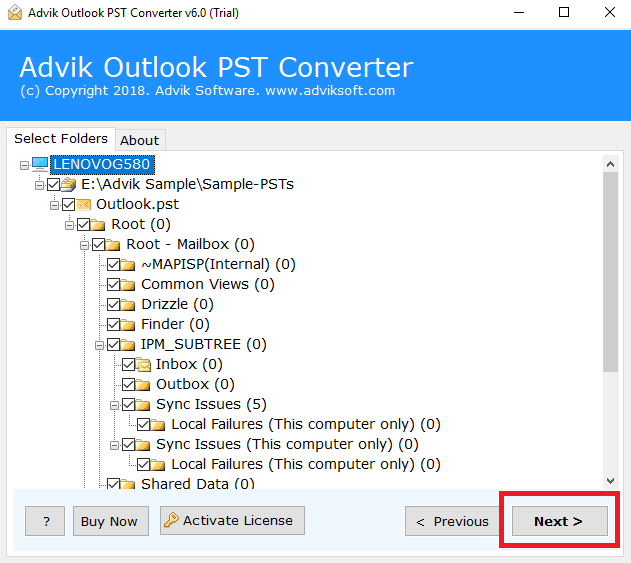
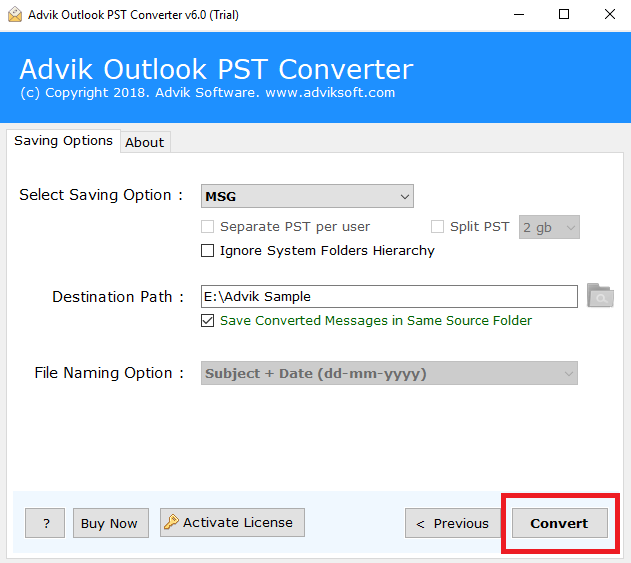
How to Convert PST to MSG Format Automatically?
Efficient Application to Convert Corrupted, Orphaned PST files to MSG Format
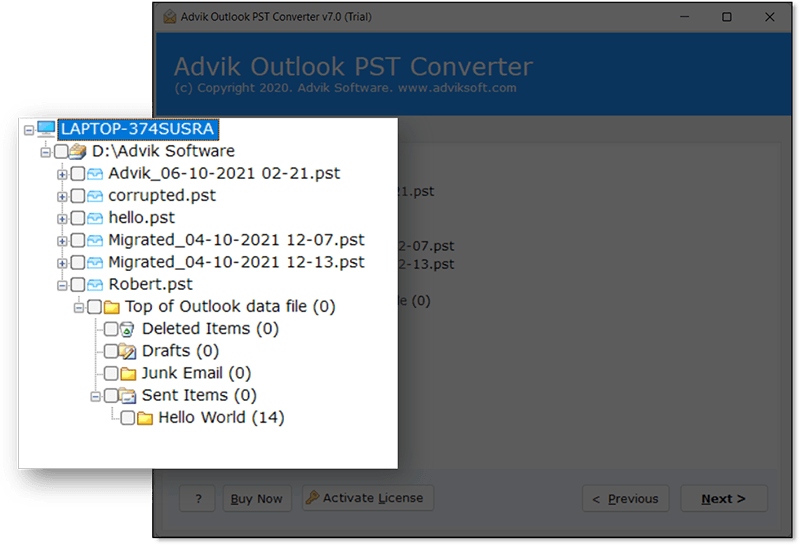
The software lets you export PST to MSG files in bulk. You can customize your conversion preferences by including multiple PST folders or files at once. There's no need to export PST files one by one. The batch mode option will help you to convert multiple PST files at once. All you have to do is move the PST files into one folder. Then launch the tool and click "Select Folder", now select this folder for conversion. This way you can convert multiple PST files to MSG file format in batch.
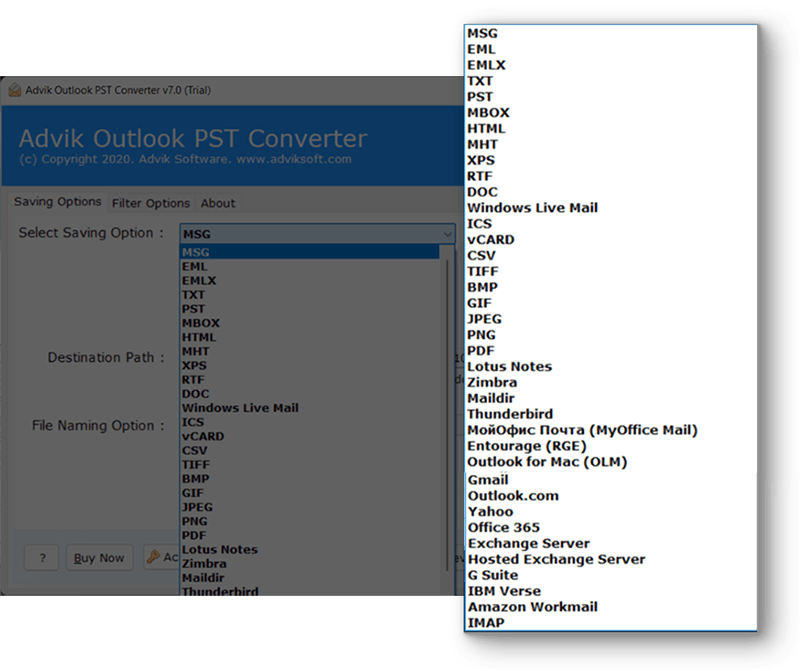
Apart from PST to MSG Conversion, this remarkable software also allows users to save PST files in several formats. You can convert PST to EML, EMLX, TXT, MBOX, HTML, MHT, XPS, RTF, DOC, ICS, VCard, and CSV File Formats. Therefore, it becomes easy to access PST emails on different email platforms. It is a one-stop solution for all PST file conversion needs.
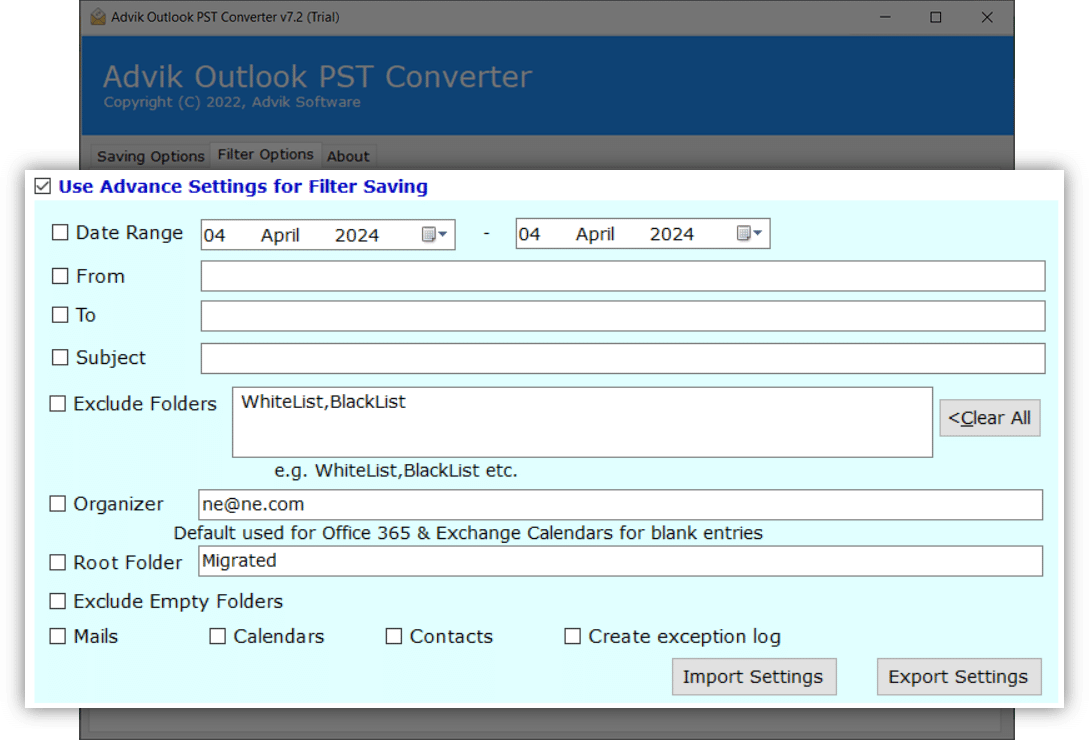
For users with large amounts of PST file data, the tool offers an email filter option. This allows users to convert a select set of emails by specifying a date range, subject, To, from, etc. With this feature, users can easily exclude unwanted data or emails, free up storage space, and save PST files quickly after conversion. Simply define a specific email filter to move the PST file to enable the conversion of only the desired emails.
Visually and tonally the film is unabashedly vivid — saturated sarees, sunlit courtyards, and banquet-table abundance that transform every domestic scene into a festival. The direction leans into theatrical gestures: long, emotionally charged close-ups, ceremonial sequences that unfold like mini-stage plays, and musical interludes that double as moral commentary. The color palette itself becomes a character: ruby reds for romance, saffron and marigold for tradition, and verdant greens for renewal and reconciliation.
Musically the soundtrack is warm and hummable, punctuating key emotional beats and transforming rites of passage into communal spectacles. Choreography and song sequences are designed to accentuate unity—dance circles, synchronized gestures, and ensemble framing that visually reinforce the film’s central thesis: togetherness is both practice and promise.
Narratively, the movie privileges archetypes—dutiful sons, sacrificial daughters-in-law, wise elders—so conflict is less about ambiguity than about how virtue is proved. This clarity is its strength and limit: viewers seeking nuanced moral complexity may find the moral arcs predictable, but those looking for reassurance in clear ethical lines will take comfort in the film’s certainties. Humor is gentle and familial; drama is heightened but grounded in recognizable domestic stakes: inheritance, honor, and the yearning to belong.
System Requirements
Processor Pentium Class or higher
Operating System Windows 11, 10, 8.1, 8, 7
Memory 1 GB recommended
Hard Disk 100 MB of free space
License Delivery
Electronic via Email
License & Version
Personal License Activation in 1 Machines
Business License For Business Users
Migration License For Corporate Users
Help us to serve you better by sharing your valuable feedback
Try it for Free
Download the Best PST to MSG Converter Software of 2026
**Free demo will convert 25 items from each folder for free
Visually and tonally the film is unabashedly vivid — saturated sarees, sunlit courtyards, and banquet-table abundance that transform every domestic scene into a festival. The direction leans into theatrical gestures: long, emotionally charged close-ups, ceremonial sequences that unfold like mini-stage plays, and musical interludes that double as moral commentary. The color palette itself becomes a character: ruby reds for romance, saffron and marigold for tradition, and verdant greens for renewal and reconciliation.
Musically the soundtrack is warm and hummable, punctuating key emotional beats and transforming rites of passage into communal spectacles. Choreography and song sequences are designed to accentuate unity—dance circles, synchronized gestures, and ensemble framing that visually reinforce the film’s central thesis: togetherness is both practice and promise.
Narratively, the movie privileges archetypes—dutiful sons, sacrificial daughters-in-law, wise elders—so conflict is less about ambiguity than about how virtue is proved. This clarity is its strength and limit: viewers seeking nuanced moral complexity may find the moral arcs predictable, but those looking for reassurance in clear ethical lines will take comfort in the film’s certainties. Humor is gentle and familial; drama is heightened but grounded in recognizable domestic stakes: inheritance, honor, and the yearning to belong.